Streetwear Moves Fast. Production Data Has to Move Faster: Why Fashion ERP Is Now Part of the Drop-Planning Conversation
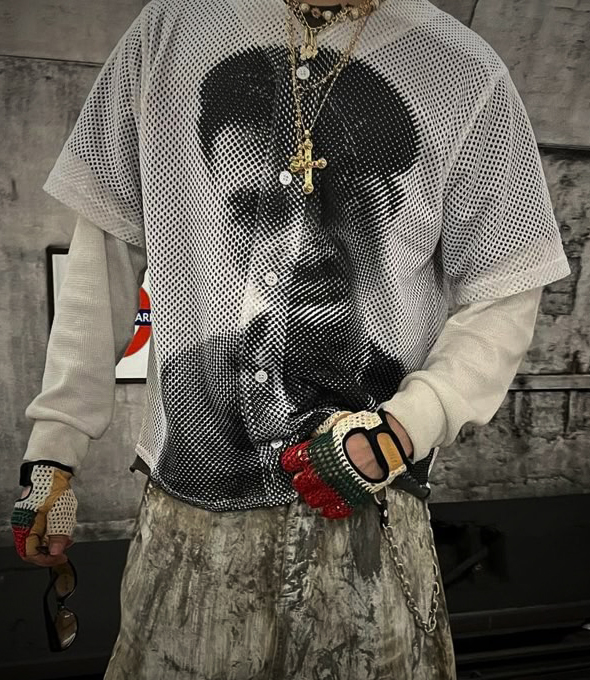
Some streetwear pieces look loud the second you see them. A washed boxy hoodie with the right weight. A cropped football-inspired jersey that sits exactly where it should. A distress-heavy zip hoodie that feels broken-in without looking random. But anybody who has spent time around real product teams knows the truth: the visual is only half the story. The other half lives in tech packs, trim approvals, fabric bookings, wash tests, line plans, shipment timing, and a long chain of decisions that can quietly throw the whole release off rhythm.
That is why ERP is showing up in more streetwear production conversations. Not because fashion labels suddenly want more corporate software in the room, but because spreadsheets, message threads, and disconnected updates start breaking down when collections get more technical, calendars get tighter, and direct sales, partner channels, and replenishment all start pulling on the same inventory picture. For established streetwear brands and independent labels with real traction, ERP is less about bureaucracy and more about finally getting a clean line of sight across how product ideas turn into bulk-ready garments.
Why are more streetwear teams bringing ERP into production conversations now?
Streetwear teams are paying more attention to ERP because the production chain has become harder to manage with scattered tools alone. Once a brand is juggling more SKUs, more trims, more wash variables, more sales channels, and faster release pressure, disconnected workflows create blind spots that hit product, timing, and cash flow at the same time.
A few years ago, some labels could still get away with running most of the operation through spreadsheets, chat apps, and whatever lived in somebody’s head. That gets shaky fast when the assortment gets deeper. Streetwear does not only deal with size breaks and color breaks. It also deals with graphic placements, fabric weights, specialty trims, garment dye, distressing, embroidery layers, and silhouettes that need to land a very specific way on body. Apparel ERP systems are built to handle style-color-size complexity, material tracking, demand planning, and multichannel inventory in one operating picture, which is exactly why they have become more relevant for fashion businesses working with seasonal and trend-sensitive product lines.
This matters even more in streetwear because the category often sells through story, feel, and finish, not just logo recognition. A label may have a strong concept, but if sourcing teams are looking at one version of fabric availability, the factory is working from another, and the internal product team is still chasing approvals in email, small misses start stacking up. A rib change that looked minor can shift the whole shape of a hoodie. A late trim swap can flatten the look of a varsity jacket. A wash test approved on one fabric lot may not land the same way on another. ERP does not remove every risk, but it gives teams one place to catch problems earlier instead of finding them when cartons are already being packed.
There is also a market reason. Fashion supply chains are under constant pressure to react faster while still protecting margins, inventory health, and delivery performance. ERP platforms are increasingly positioned as the place where demand signals, purchasing, stock allocation, and production schedules can actually talk to each other instead of living in separate silos.
Where does streetwear production usually break when teams still run on scattered spreadsheets and chat threads?
Streetwear production usually breaks in the handoff moments: when design becomes sourcing, when a sample becomes pre-production, when approved materials become real purchase orders, and when factory updates do not match what merchandising or operations thinks is happening. Most problems are not dramatic at first; they start as small gaps in visibility.
That gap is where a lot of expensive noise begins. On paper, a factory may look fully capable. The sample may even come back strong. Then bulk starts, and the fabric handfeel drifts because the lot is different. The print placement shifts a little because nobody locked the real garment measurement after the fit change. The distressing looks stronger on some units than others because the wash house is interpreting the target by eye. The zipper tape is swapped because the original trim could not be replenished on time. None of these issues are rare. They are the kind of production reality that hits when teams are managing too many moving pieces through fragmented communication.
The reason this hurts streetwear harder than some other categories is simple: the product language is more sensitive. A heavyweight tee is not just a tee. People notice the collar height, the drop of the shoulder, the density of the cotton, the way the wash softens the surface, and whether the print sits with intention or just looks centered because someone guessed. The same goes for flare denim with exaggerated stacking, appliqué varsity jackets, or mixed-decoration hoodies. When execution gets fuzzy, the product loses attitude first and commercial strength right after.
This is where ERP starts earning its place. Rather than letting approvals, purchase orders, warehouse updates, and production status live in different pockets, a fashion ERP creates a shared operational record. Teams can see material status, order status, inventory allocation, and workflow changes without asking five people to cross-check five files. NetSuite, for example, highlights real-time availability, automated purchasing flows, and demand-led planning as core apparel ERP functions, while Infor emphasizes design-to-delivery visibility, raw-material tracking, and inventory allocation inside a unified system.
How does fashion ERP help with raw materials, WIP inventory, and limited-run streetwear products without slowing teams down?
A good fashion ERP helps streetwear teams move faster by making material status, work-in-progress, and finished inventory easier to see and easier to act on. The point is not to add more process for its own sake. The point is to stop losing time to hidden shortages, duplicate updates, and late-stage surprises.
Raw materials are where a lot of streetwear production gets decided long before the garment is sewn. If the shell fabric, rib, zipper, patch base, drawcord tip, or custom label is delayed, the whole line plan starts wobbling. In apparel ERP systems, teams can track raw materials and finished goods more closely through bills of materials, allocation tools, purchasing records, and stock visibility. That matters when one collection includes heavyweight fleece, mesh, denim, and trims that do not all move on the same timeline.
For limited-run products, the benefit is not only stock accuracy. It is timing. Streetwear releases often move with a hard calendar. Content shoots are booked. Email campaigns are scheduled. Retail allocations are promised. If one material is short, teams need to know early enough to decide whether to hold the style, swap the delivery window, or protect the hero SKU first. Forecasting and allocation tools inside apparel ERP platforms are designed to support that kind of decision-making by showing what is available, what is committed, and what still needs to land.
Work-in-progress visibility matters just as much. A lot of brands do not actually lose control at the sketch stage; they lose control in the middle. Fabric has arrived, but wash testing is behind. Sewing is moving, but packaging approvals are late. Inventory exists, but it is sitting in the wrong place for the channel that needs it. When ERP works well, those middle-stage blind spots get smaller. That is especially useful for US, UK, and EU streetwear brands working with China-based or multi-region production networks, where delays are often caused less by one dramatic failure and more by accumulated misalignment across sourcing, making, inspection, and shipping.
What changes when factory communication and internal brand teams are looking at the same operating picture?
When the factory side and the brand side are working from the same operational picture, decisions get cleaner, issue escalation gets faster, and fewer problems stay hidden until bulk is too far along to correct without major downstream damage. The win is not smoother communication in the abstract. The win is better timing, better prioritization, and less guesswork.
Anyone who has worked through a real production calendar knows how much time gets wasted on status chasing. Is the fabric booked or just discussed? Was the embroidery strike-off approved, or is the team still reviewing the second revision? Did the fit change make it into the final pattern, or is the sewing line still working from the earlier version? When information is scattered, everybody spends more time asking what is happening than deciding what to do next.
ERP helps by centralizing the operational side of those conversations. Automated purchase orders, shared status updates, supplier portals, dashboards, and inventory views create a cleaner feedback loop between sourcing teams, product developers, operations leads, and manufacturing partners. That does not mean every factory suddenly becomes sharp. It means strong factories and sharp internal teams can work from the same facts faster.
This is also where streetwear brands start to separate specialist partners from general apparel factories. A general factory may be able to sew a hoodie. That does not always mean it can manage a wash-heavy fleece program, high-precision graphic placement, or a collection where fit balance matters as much as cost. For teams comparing sourcing options, a resource like this curated look at in China can be useful because the real question is rarely “Who can make clothes?” It is usually “Who can handle this kind of product language and communicate at the level the calendar requires?”
Why does PLM-plus-ERP matter more than ERP alone in technique-heavy streetwear development?
PLM plus ERP matters more than ERP alone when the collection depends on detailed product development, because PLM handles the design-and-development side while ERP manages the operational side. When those systems connect well, design intent, costing, sourcing, production planning, and delivery move with fewer gaps between them.
This distinction matters in streetwear because the category often lives or dies in product development. A washed tee is not finished when somebody signs off on the graphic. A cropped jersey is not ready because the sketch looks right. Teams still need pattern work, fabric confirmation, construction notes, decoration sequencing, test rounds, and fit adjustments before the style is really safe for bulk.
BlueCherry’s explanation is useful here: PLM is centered on product creation and development, while ERP handles the business processes required to produce, sell, and distribute the product. Put another way, PLM is where the creative and technical story gets built. ERP is where that story has to survive contact with purchasing, line planning, warehouse logic, channel allocation, and shipment execution.
When those two sides are disconnected, friction shows up fast. Design teams finalize details before costing is realistic. Sourcing teams chase missing tech packs. Production planning starts before every approved change is flowing into the live record. By contrast, a connected PLM-and-ERP workflow can move from design development to costing, sourcing, production planning, quality control, and delivery with less manual re-entry and fewer late-stage surprises.
For technique-intensive streetwear, that flow matters. Embroidery that adds depth to otherwise flat graphics needs placement clarity early. A wash that gives a new hoodie instant visual age needs testing that is tied back to the exact fabric and trim setup. Fabric weight changes how the silhouette sits, which means fit notes cannot stay trapped in somebody’s email thread. PLM protects the design logic. ERP protects the operational follow-through. The closer those two are linked, the better the odds that the final garment still feels like the original idea, not a watered-down compromise.
What should established streetwear brands look for before choosing an ERP system or an ERP-ready manufacturing partner?
Established streetwear brands should look for ERP decisions that support real production behavior, not just nice software demos. The right setup should make category complexity easier to manage, reduce information lag, and fit the way the brand actually develops, approves, sources, and releases product across channels and regions.
The first thing to check is category fit. Streetwear collections often rely on style-color-size complexity, custom trims, heavy fabrics, post-garment finishing, and more aggressive silhouette control than ordinary basics. If the system cannot track raw materials, manage attributes cleanly, and support demand planning across multiple channels, it will look polished in a demo and still feel clumsy once the season gets real.
The second thing is workflow fit. A strong ERP choice should make life easier for the people doing the real work: procurement teams, product development teams, design teams, and operations leads. That means role-based visibility, easier approvals, cleaner order tracking, and fewer double entries. If the system forces teams back into side spreadsheets for basic decisions, it is not really solving the problem.
The third thing is partner fit. The software matters, but the manufacturing side matters just as much. A streetwear production partner should be able to work inside a more disciplined flow, respond clearly to changes, and flag risks before they become late bulk problems. For brands also reviewing custom development partners, it helps to compare software readiness alongside product capability, especially in heavyweight cotton, wash-intensive fleece, decorated jerseys, or multi-technique outerwear.
The table below is a simple way to frame that evaluation.
One last point: do not buy the story that ERP is only for giant corporate fashion groups. The better question is whether the brand’s product and release rhythm has outgrown scattered tools. If it has, ERP becomes part of protecting product quality, delivery discipline, and margin logic—not because software is glamorous, but because operational fog is expensive.
What fabric works best for oversized washed embroidery T-shirts
An oversized washed tee with custom embroidery looks effortless on a rack, but most production problems start before sewing even begins. The surface appeal of streetwear is driven by culture and design, yet the execution relies entirely on manufacturing discipline. When a brand attempts to scale a complex piece like an acid-washed, heavy-cotton oversized t-shirt featuring dense embroidery, the true challenge is not finding a factory that can make one good sample. The challenge is finding a streetwear manufacturer that can maintain fabric stability, control shrinkage, and prevent embroidery distortion across hundreds or thousands of units.
Consumers may not know the technical difference between 210 GSM carded cotton and 280 GSM combed French Terry, but they immediately feel the difference in drape, structure, and longevity. Many independent brands with real traction discover that their initial fabric choices fail during bulk production, leading to sample-to-bulk mismatch, silhouette imbalance, and batch-level variation. This article breaks down why fabric selection is the most critical decision in custom streetwear development and how product development teams should evaluate materials before committing to scale.
Why is streetwear manufacturing more technical than basic apparel production?
Basic apparel production focuses on speed and cost reduction using standardized blanks, while premium streetwear manufacturing requires custom pattern development, heavier fabrics, complex wash treatments, and precise sample-to-bulk alignment to protect the brand's visual identity and product consistency.
Streetwear is not just another category of casual clothing; it is a highly specialized segment where the garment's architecture and finish are as important as the graphic on it. When established streetwear brands develop an oversized t-shirt, they are not simply taking a standard blank and sizing it up. True oversized fit requires real pattern development. The drop shoulder must hit at the exact right point on the arm, the chest width must balance with the body length to avoid looking like a dress, and the neckline must remain tight enough to sit cleanly on the collarbone while the rest of the garment drapes loosely.
This structural demand means that standard lightweight jersey fabrics (typically around 150-180 GSM) used in fast fashion will fail. They lack the necessary rigidity to hold an oversized silhouette and will cling to the body rather than draping away from it. Furthermore, streetwear relies heavily on post-production treatments like acid wash, stone wash, or enzyme wash to achieve a vintage or lived-in aesthetic. These aggressive wash techniques break down the fibers of the fabric. If a brand starts with a weak or lightweight cotton, the wash process will destroy the garment, causing severe shrinkage, twisting seams (torqueing), and compromised structural integrity.
Therefore, custom streetwear development requires a manufacturing partner who understands how fabric weight, yarn quality, and construction techniques interact with aggressive finishing processes. The technical threshold is significantly higher because the product must survive intense treatments while maintaining a precise, custom-developed fit.
What fabric weight works best for oversized washed streetwear tees?
For an oversized washed streetwear t-shirt, a heavyweight 100% cotton fabric ranging from 240 GSM to 300 GSM works best. This weight provides the necessary structure to hold a boxy silhouette, withstands aggressive wash treatments without deteriorating, and supports dense embroidery without puckering.
Fabric weight, measured in Grams per Square Meter (GSM), is the foundation of premium streetwear production. When brands with validated market demand move to scale their oversized tee programs, they quickly realize that weight dictates both the aesthetic and the technical viability of the product.
For an oversized fit, the fabric needs structure. A 240 GSM to 300 GSM (approximately 7 to 9 oz/yd²) heavyweight cotton jersey provides a rigid, boxy drape that falls cleanly from the shoulders without clinging to the torso. This weight ensures that the silhouette intended by the design team is actually realized in the final product.
Beyond aesthetics, the weight is crucial for surviving the wash process. Vintage washes, acid washes, and heavy enzyme washes physically degrade the cotton fibers to achieve that soft, faded look. A 180 GSM t-shirt might lose 15-20% of its weight and structural integrity during a heavy stone wash, resulting in a flimsy, misshapen garment that shrinks unpredictably. A 280 GSM heavyweight cotton, however, has the density to absorb the wash process, softening perfectly while retaining enough strength to hold its shape and fit.
Procurement teams must also consider the yarn type. Open-end (carded) cotton provides a rougher, more authentic vintage texture that takes well to aggressive washes, while combed cotton offers a smoother, cleaner surface. For washed streetwear tees, many brands prefer a high-quality carded cotton or a blend that balances durability with that classic, slightly textured hand-feel.
How do wash techniques change bulk production risk?
Wash techniques introduce severe risks of shrinkage, color inconsistency, and fabric degradation during bulk production. A specialized streetwear factory mitigates these risks by conducting extensive wash testing, adjusting patterns for calculated shrinkage, and maintaining strict batch-level control.
The wash process is where many growing apparel programs face catastrophic failures. An acid wash or vintage wash is not a simple dye job; it is a chemical and physical process that alters the garment permanently. When a brand approves a perfect pre-production sample (PPS), they are looking at one unit. The reality of bulk production is that achieving that exact same wash effect across 1,000 units requires immense technical control.
The primary risk is shrinkage. A heavy enzyme or stone wash can cause cotton to shrink anywhere from 3% to 10%. If the pattern development phase did not account for this specific shrinkage rate, the final bulk order will arrive one or two sizes smaller than intended. A specialized will cut and sew the garments larger than the final spec, anticipating the exact shrinkage percentage that will occur during the wash phase. This requires precise calculation and sample-to-bulk alignment.
The second risk is batch-level variation. Acid washing involves applying bleach or other chemicals unevenly to create a distressed look. In a bulk run, maintaining consistency in the "randomness" of the wash is incredibly difficult. Weak factories will produce batches where some shirts are nearly white and others are barely faded. A reliable OEM streetwear manufacturer controls the chemical concentration, water temperature, and wash time meticulously to ensure that while each piece is unique, the entire run falls within an acceptable, pre-approved visual tolerance.
Finally, the wash process affects the fabric hand-feel. A wash that is too aggressive will leave the fabric feeling brittle and prone to tearing, while a wash that is too light will fail to achieve the desired vintage softness. Product teams must evaluate not just how the sample looks, but how the fabric feels and performs after the wash.
Why does dense embroidery require specific fabric choices?
Dense embroidery requires a heavyweight, tightly knit fabric to prevent puckering, distortion, and needle holes. If the fabric is too light or loosely woven, the tension of the embroidery thread will pull the fabric out of shape, ruining the garment's fit and aesthetic.
Embroidery is a staple of premium streetwear, offering a tactile, high-value branding method that elevates the garment. However, embroidery adds significant tension and weight to a specific area of the fabric. When a brand designs a large, dense chest embroidery or a complex appliqué, the fabric must act as a stable canvas.
If a brand attempts to apply a 20,000-stitch embroidery design to a standard 180 GSM t-shirt, the result is almost always a failure. The fabric cannot support the weight and tension of the thread. This leads to "puckering"—where the fabric bunches and wrinkles around the embroidery—and can even cause the fabric to tear around the needle holes during wear or washing. Furthermore, when an oversized tee drapes, a heavy embroidery on a light fabric will cause the chest to sag awkwardly, destroying the silhouette.
This is why a 240 GSM to 300 GSM heavyweight cotton is essential for embroidered streetwear tees. The density of the knit provides the necessary stability to hold the stitches without distorting. Additionally, experienced streetwear manufacturing partners will use appropriate backing (stabilizers) during the embroidery process to further reinforce the area.
The sequence of production also matters immensely. For a washed, embroidered tee, the factory must decide whether to embroider before or after the wash. Embroidering before a heavy acid wash can cause the embroidery thread to absorb the wash chemicals, altering its color or degrading the thread. Conversely, embroidering after the wash means the fabric has already shrunk, providing a more stable base, but requires careful handling to ensure the placement remains accurate on the pre-shrunk, slightly distorted garment. This level of process planning separates a basic apparel vendor from a true custom streetwear manufacturer.
What should procurement teams check before approving a heavyweight hoodie or tee sample?
Procurement teams must verify the fabric's GSM, evaluate the hand-feel after washing, measure the exact dimensions against the tech pack to confirm shrinkage control, and inspect the embroidery for puckering, placement accuracy, and thread tension.
When established streetwear brands move from the design phase to sample approval, the procurement and product development teams must look past the visual aesthetic and evaluate the technical execution. A sample that looks good in a photo but fails these technical checks will inevitably lead to bulk production disasters.
First, verify the fabric weight. Request the exact GSM and confirm it matches the tech pack. Feel the fabric to ensure it has the correct density and structure to support the oversized fit.
Second, evaluate the wash execution. Is the fading consistent with the design intent? More importantly, check the seams. Are the side seams twisting? Is the collar baconing (waving)? These are signs that the fabric was not properly pre-shrunk or that the pattern was not cut on the correct grainline before washing.
Third, measure the sample meticulously. Compare the chest width, body length, shoulder drop, and sleeve length against the tech pack tolerances. If the sample is supposed to be an oversized fit but measures like a standard fit, the factory failed to account for wash shrinkage during pattern development.
Fourth, inspect the embroidery or print. Look at the back of the embroidery—is the stabilizer clean and properly trimmed? Is there any puckering around the edges? For prints, stretch the fabric slightly to ensure the ink does not crack prematurely, which is a common issue when printing on heavily washed or textured fabrics.
Finally, consider the overall sample-to-bulk alignment. Ask the manufacturer how they plan to replicate this exact wash and fit across 2,000 units. A premium streetwear production partner will have a clear, documented process for scaling the sample, including grading rules, shrinkage calculations, and quality control checkpoints.
How do brands compare a general apparel factory with a specialized streetwear manufacturer?
A specialized streetwear manufacturer offers custom pattern development, expertise in heavyweight fabrics and complex washes, and robust sample-to-bulk control, whereas a general apparel factory typically relies on standard blanks, basic printing, and lacks the technical discipline for premium streetwear execution.
As independent brands with real traction scale their operations, they often outgrow their initial suppliers. The transition from printing on high-quality blanks to full custom cut-and-sew production requires a shift in sourcing strategy.
A general apparel factory is optimized for volume and simplicity. They excel at producing standard t-shirts, basic hoodies, and corporate uniforms. When tasked with an oversized, acid-washed, heavyweight embroidered tee, they will likely struggle. They may try to use their standard grading rules to make an "oversized" fit simply by sizing up an XL to an XXL, resulting in a poorly proportioned garment. They may lack the specialized wash facilities required for consistent acid washing, leading to massive batch variations.
In contrast, an OEM streetwear manufacturer is built around product complexity. They understand that a 300 GSM t-shirt requires different sewing machine tensions and needle sizes than a 150 GSM shirt. They know how to engineer a pattern that anticipates 6% shrinkage from an enzyme wash. For brands looking at China-based , is one example associated with technique-intensive production, demonstrating the capability to handle complex wash and embroidery combinations while maintaining strict quality control.
The key difference lies in pre-production discipline. A specialized factory will conduct extensive fabric testing, wash testing, and print/embroidery testing before ever cutting the bulk fabric. They prioritize sample-to-bulk consistency, ensuring that the 1,000th unit looks and feels exactly like the approved pre-production sample. For streetwear brands with proven sales, partnering with a manufacturer that understands these cultural and technical nuances is not just a sourcing decision; it is a brand protection strategy.
Conclusion: The Manufacturing Reality of Premium Streetwear
The success of an oversized washed embroidery t-shirt does not depend solely on the creative director's vision; it depends on the manufacturing system's ability to execute that vision consistently. Fabric selection—specifically choosing a heavyweight cotton capable of withstanding aggressive washes and supporting dense embroidery—is the critical first step.
However, the fabric alone is not enough. It requires precise pattern development to achieve the true oversized silhouette, meticulous wash control to manage shrinkage and color variation, and expert sewing and finishing to bring the garment together. As streetwear labels with clear product direction look to scale, they must move beyond seeking the lowest quote and focus on finding a streetwear manufacturer capable of delivering premium, repeatable execution. The brands that win are those that understand that in streetwear, the manufacturing is the product.
 streetwear apparel factories streetwear clothing manufacturers custom streetwear manufacturer Groovecolor