Porcelain creation illustrates a distinguished discipline class with a expansive background, covering back legions of centuries. From ancient urns to cutting-edge displays, the element offers peerless possibilities for creative rendering. Makers adopt various techniques – including modeling, wheel rotating, and elevated firing processes – to manufacture humble earth into stunning three-dimensional objects. The toughness of fired brick also contributes to its status as a truly significant part of human history.
Delving into Stoneware Sign Designs and Methods
The realm of ceramic panel design offers a broad array of inventive possibilities. Makers often exercise a assortment of established and innovative techniques to create visually impressive pieces. These can extend from simple, sculpted reliefs to complex, multi-layered layouts. Common methods include the slip cast process, hand shaping, varnishing – which can involve numerous techniques like underglaze painting, post-firing embellishment, and etched pattern where designs are disclosed by abrading a layer of finish. Additional investigation into outer appearances such as raku and lustre decoration can yield truly unique and bespoken clay tablets.
- Form Casting - Producing pieces using a shaped form
- Manual Crafting - Precisely forming the loam
- Enameling - Covering the exterior with a lustrous finish
- Carved drawing - Bringing out designs by taking away layers
Mesmerizing Experiences: Terracotta Art Exhibits
The maturing landscape of visual arts presents exciting original avenues for audiences, and ceramic art installations are at the apex of this revolution. These aren't just static forms; they are fabricated to envelop the viewer in a sensory experience. Imagine venturing into a forest of towering, polished ceramic trees, or navigating a maze of sensitive ceramic vessels. Many designers are now incorporating sound, brightness, and even scent to enhance the vibe of their work. Envision the power of a room filled with hundreds of hand-built ceramic pieces, each telling a narrative. Traditionally, such installations examine themes of flora and fauna, remembrance, and the collective.
- The aforementioned installations blur the lines between design and space.
- Engaging with a ceramic art installation can be a deeply intimate journey.
- Artisans are extending the thresholds of what is achievable with clay.
One Beauty of the Porcelain Vessel: Role and Configuration
The clay holder represents a remarkable mixture of effectiveness and visual appeal. Historically, these jars served a simple purpose in maintaining flowers, but their transformation has transformed them into highly valued works of handiwork. Each piece showcases the proficiency of the creator, demonstrating how form can be as essential as operation. The careful shaping, the special glazes, and the full presence of a masterfully-crafted pot can improve a space, offering both magnificence and a soft reminder of the manual hand.
Latest Brick Art : Challenging Frontiers
Latest brick sculpture represents a fascinating departure from ancestral practices. Builders are increasingly advancing with cutting-edge techniques, challenging the boundaries between artwork and distinct aesthetic categories. From considerable installations to intricate miniature pieces, such works investigate themes of environment while together revolutionizing the core of what stoneware can become. The byproduct is a active environment of inspired presentation.
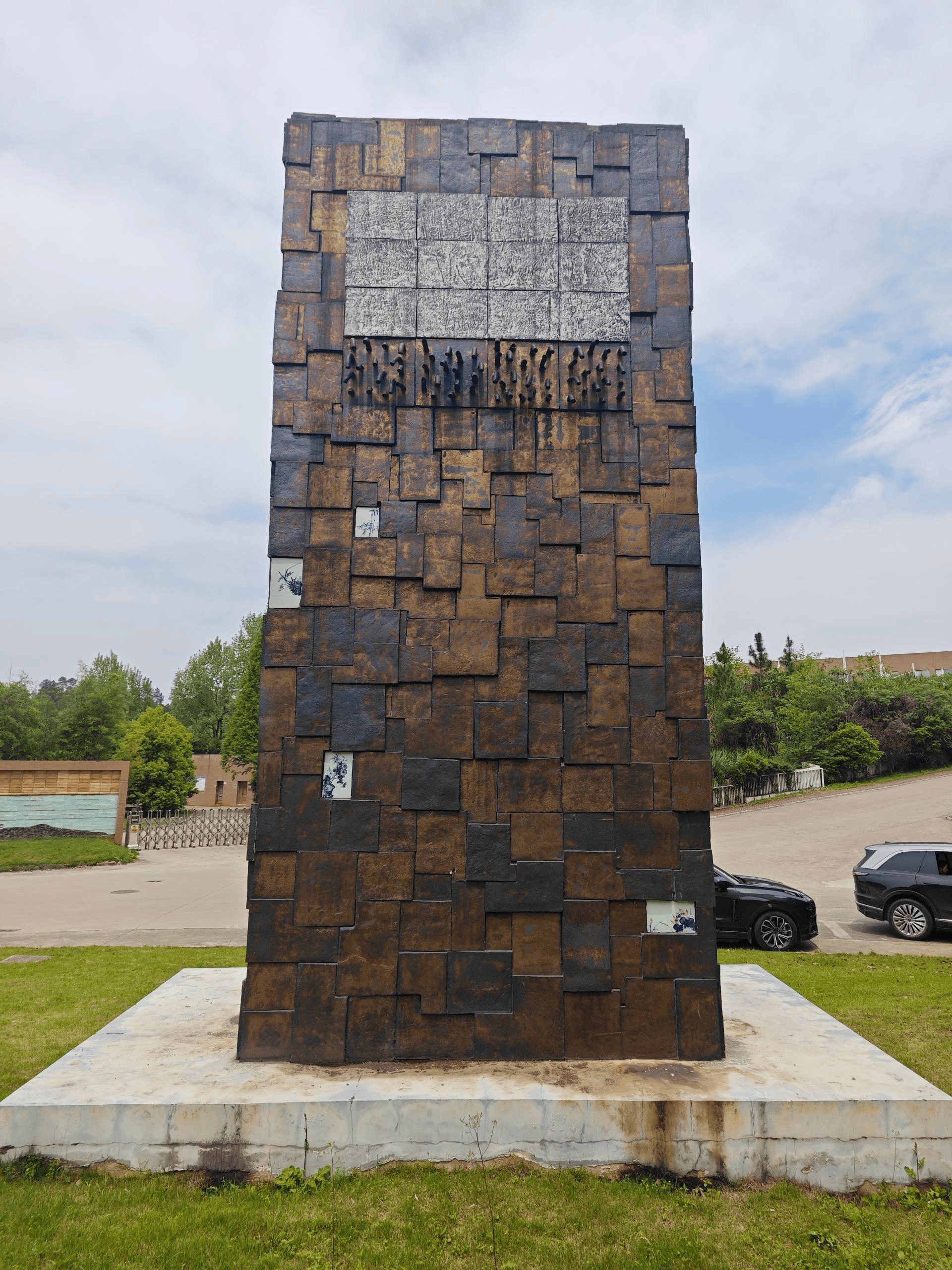
Terracotta Panel: Conserving Chronicle in Terracotta
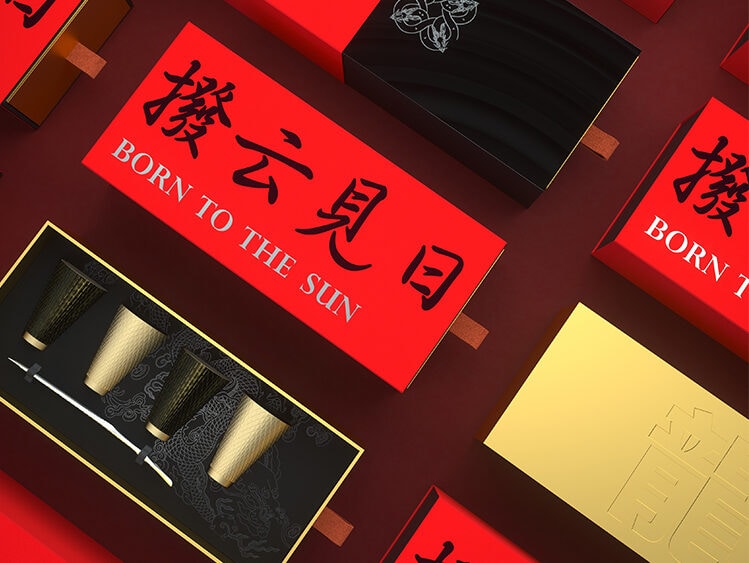
Stoneware plaques offer a uncommon method for capturing significant events and persons. Contrasted with traditional metal or stone markers, these tough pieces of design are formed from hardened clay, creating a physical link to the past. Often, they illustrate intricate models or delicately designed imagery, Travel Cup expressing stories that might otherwise be disregarded. Such technique, originating in ancient civilizations, provides a striking and timeless way to recognize our collective history.
- These can be placed in general spaces.
- A multitude of are now viewed historical relics.
Ceramic Art Presentations: Reimagining Environments
Ceramic art installations are materializing a strong medium for creators to revise public and private places. These immersive designs frequently involve large-scale clay models that involve viewers, shifting their awareness of the created environment. By incorporating diverse ways like manual assembly and complex firing procedures, ceramic artists generate truly original experiences, softening the boundaries between sculpture and venue. The consequence is often a impactful modification that improves the aesthetic quality of the site and encourages communication.
Beginning Spindle to Marvel: The Practice of the Clay Holder
The journey of a ceramic jar from a simple lump of clay to a refined work of production is a testament to human inventiveness. Customarily, the process commences with the potter’s rotary device, where the experienced artisan builds the circling soil into a cylindrical configuration. This first period demands skilfulness and a trained eye, followed by a delicate solidifying period. Once bisque-fired, the urn is ready for finishing, which may include coloring intricate figures, engraving detailed views, or implementing a variety of finishes. The ending kiln firing process then alters the item into a durable and pleasing vessel, a tangible example of the creator's commitment.
Carving with Earthenware: A Manual to Terracotta Project
Delving the sphere of earthenware expression begins with mastering the basics of shaping with ceramic material. That means includes carefully building and reducing matter to build three-dimensional artifacts. Regardless of you're a apprentice or a accomplished designer, working with different types of earthenware – like porcelain – will enable you find your distinctive voice. Eventually, earthenware crafting is a gratifying experience that blends artistic ability with imaginative representation.